
Everyday sustainability at Antell Berlin/Vallila – how the lunch restaurant reduces food waste

Antell Berlin/Vallila lunch restaurant is an essential part of the Berlin/Vallila service offering, supporting the convenient and sustainable everyday life of the tenant community.
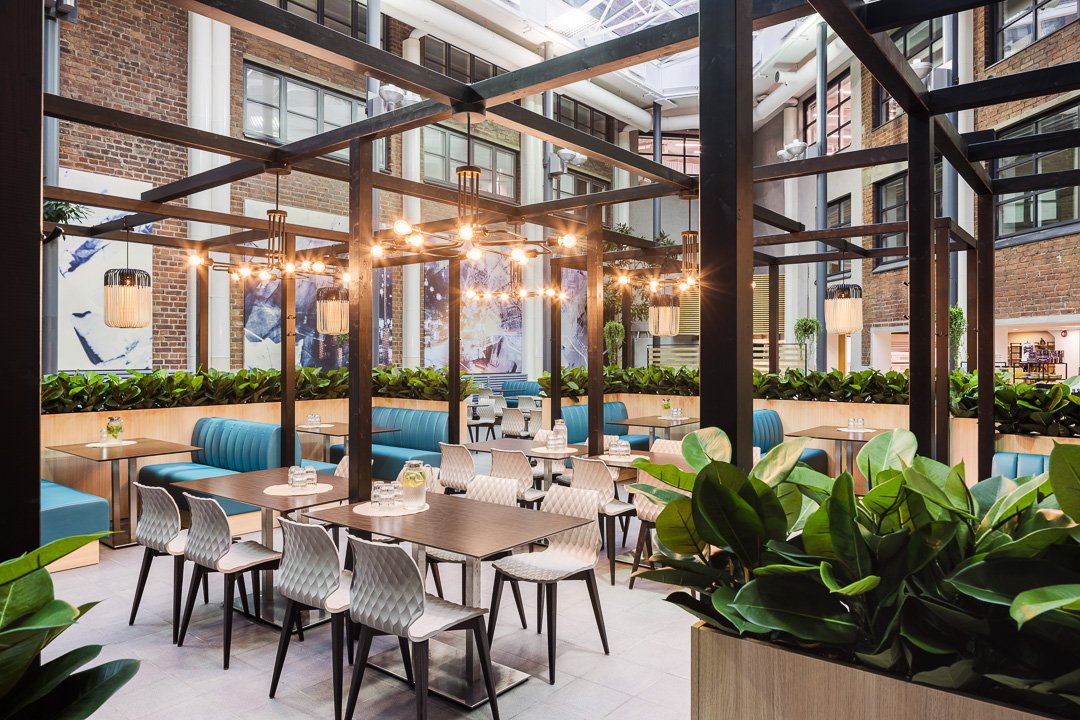
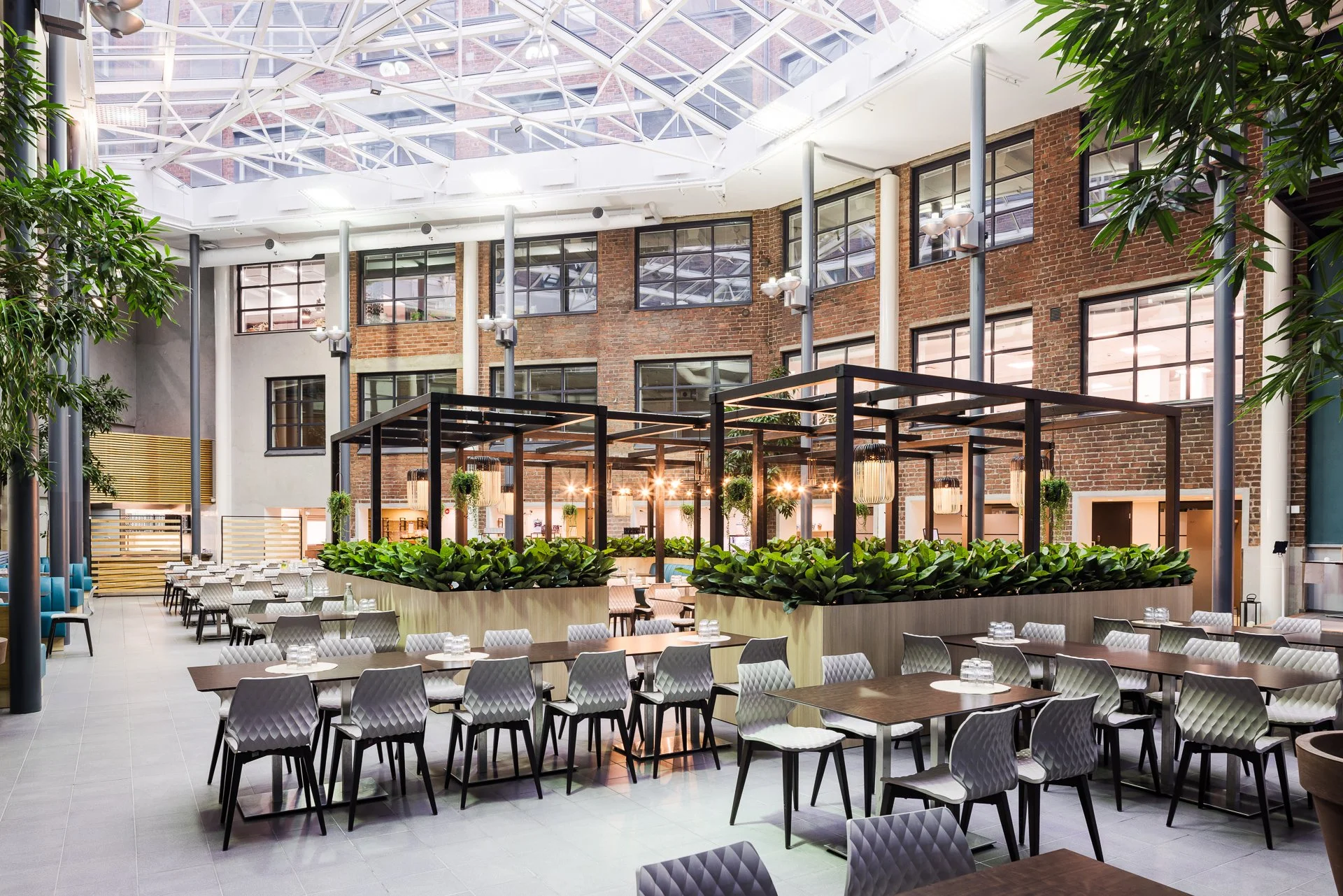
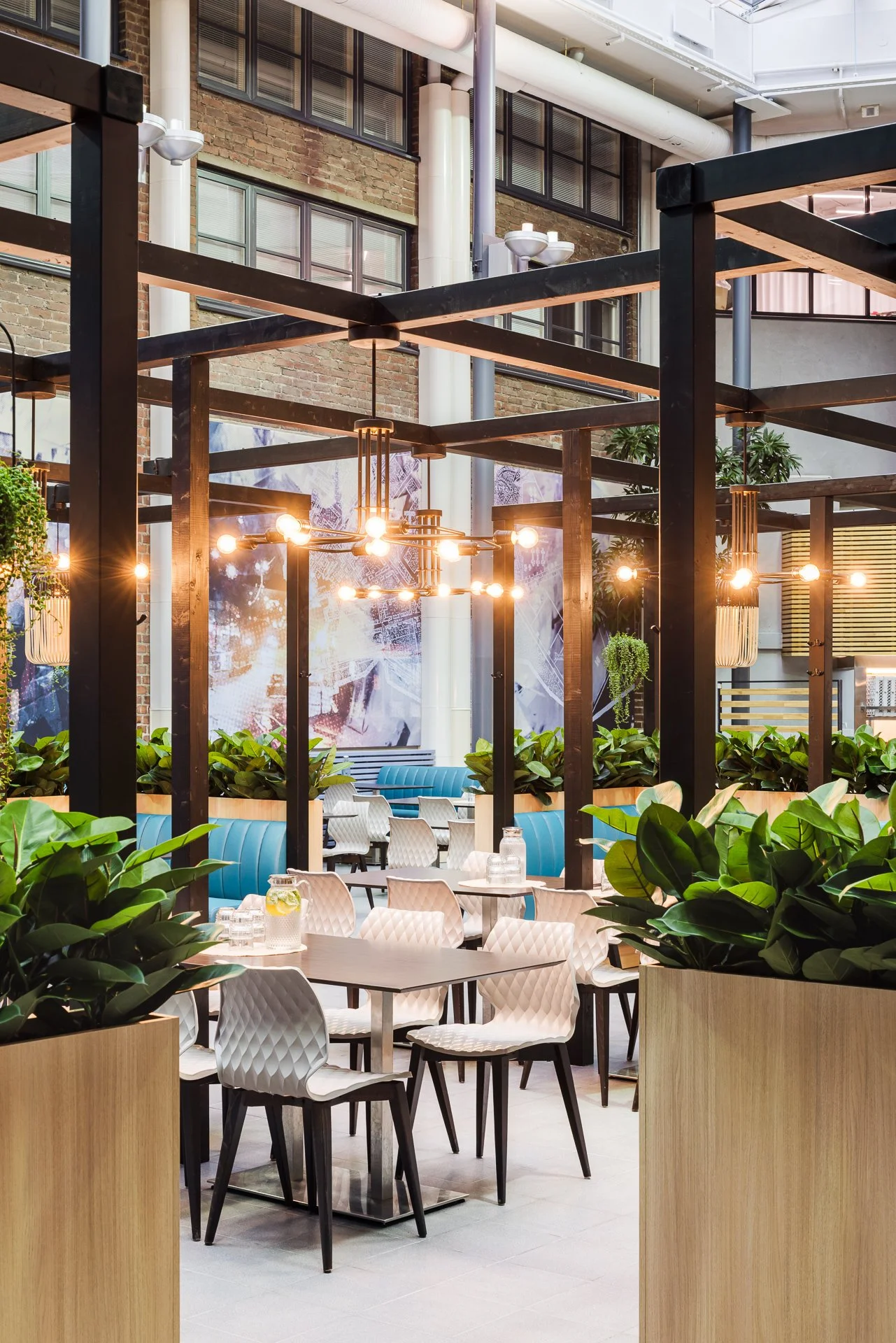
The restaurant serves a varied buffet lunch in a welcoming setting surrounded by the property’s distinctive red brick walls.
Sustainability is a key part of the restaurant’s processes and is clearly visible to both employees and customers. Now, Restaurant Manager Johanna Holmberg explains how sustainability is rooted in the restaurant’s everyday operations and how it has evolved over time.
Appreciation of Finnish ingredients – Wise use of resources
Sustainability has been an important theme for Antell throughout its 146-year history. Consequently, Antell, for example, relies heavily on domestic ingredients. The beef, pork and chicken used by the restaurant are always of Finnish origin, as is the rainbow trout starring the salmon soup. Also, the restaurant’s dairy products are Finnish, and Antell has for years used only Finnish free-range eggs.
The ingredients at Antell are procured from carefully selected domestic suppliers to ensure not only strict quality control but also traceability throughout the supply chain. Sustainability is also an important criterion in the restaurant’s other purchases, such as disposable containers used for the sale of surplus food.
Antell is also actively seeking ways to reduce energy and water consumption. This is demonstrated in many everyday practices: dishwashers are only run when full, ovens are not heated unnecessarily, water is used sparingly, and lights are turned off when exiting the room.

Effective food waste management relies on data, planning and flexibility
Food waste management is always a topical theme for restaurants from both sustainability and financial angles. Waste minimization is considered particularly important also at Antell Berlin/Vallila.
The following practices have become the cornerstones of the restaurant’s waste management:
Data-driven planning
The restaurant gathers detailed daily data on the consumption of different dishes and actively utilizes this information to forecast future demand. This data reveals, among other things, customers’ typical portion sizes and fluctuations in demand between weekdays.
“This data is incorporated into demand and production planning, allowing us to continuously sharpen our predictions. For example, when we recently served Chicken Kyiv, our portion size estimate was nearly perfect – the difference between the planned and actual portion sizes was only a couple of grams”, Holmberg explains.
Batch cooking
Batch cooking has proved its effectiveness in reducing food waste at Antell. Forecasts can never be perfectly accurate, as weather, remote work, and local events may unexpectedly affect the customer volumes. By preparing food in smaller batches, quantities can be flexibly adjusted to actual daily demand.
Menu planning
Food waste can also be cut through smart menu planning. The same ingredients can be utilized across consecutive days, and surplus ingredients can be transformed into something new; for example, excess chicken can be turned into chicken salad, vegetables into pureed soup, mashed potatoes into flatbreads, and grated carrots into bread rolls.
Selling surplus food
Food already being served at Antell is never reused for food safety reasons. However, Antell restaurants are striving to minimize this waste through smart arrangements. Serving dishes are replaced with smaller ones towards the end of the lunch service as customer volumes decrease. Selling surplus food to the office building’s tenants at the end of the day has also become a popular practice. Customers can then assemble their own portions and buy food by weight.
“Customers have responded extremely well to selling surplus food, and some even bring their own containers for ecological reasons. This practice also makes everyday life easier for our customers, as it provides an easy, affordable, and high-quality dinner option. We have received a lot of positive feedback about it”, Holmberg describes.

”For us, the high level of domestic ingredients and in-house preparation are of utmost importance. The fish cakes, for example, are made from scratch in our own kitchen and fresh bread is baked every day. We are also committed to offering a varied lunch selection, creating a pleasant dining environment, and delivering friendly, attentive customer service.”
Johanna Holmberg, Antell Berlin/Vallila, Restaurant Manager
The foundations of kitchen operations are built on Finnish ingredients, craftsmanship, and sustainability
The lunch restaurant scene in the bustling Vallila district is varied. Antell Berlin/Vallila aims to stand out through its exceptional customer experience and commitment to responsibility.
”For us, the high level of domestic ingredients and in-house preparation are of utmost importance. The fish cakes, for example, are made from scratch in our own kitchen and fresh bread is baked every day. We are also committed to offering a varied lunch selection, creating a pleasant dining environment, and delivering friendly, attentive customer service.” Johanna Holmberg, Antell Berlin/Vallila, Restaurant Manager

Sustainability is also reflected in the everyday choices of Antell Berlin/Vallila personnel. Reporting the results of food waste awareness campaigns has also helped illustrate the significance of the issue to customers and inspired them to consider their own food waste, helping to tackle the challenge together.
The trend is encouraging and the results are positive. Antell Berlin/Vallila has significantly reduced its food waste percentage over its first year of operation, and the same positive trend can be seen across the Antell Group.
A more sustainable everyday life is built together – one lunch service at a time.